Clairmont Script: The Elegant Handwritten Font for Timeless Design
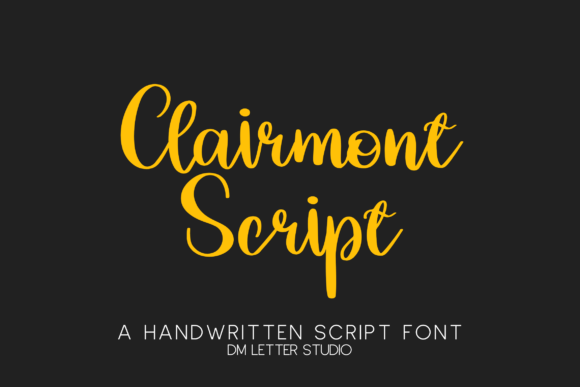
Clairmont Script is a refined handwritten script font that brings a touch of elegance and sophistication to any design project. With its graceful curves and smooth, confident flow, this font exudes a romantic and upscale presence that is both timeless and versatile. Whether you're designing wedding invitations, luxury packaging, or social media content, Clairmont Script can elevate your typography to new heights.
Why Choose Clairmont Script?
Clairmont Script stands out for its polished yet natural feel. Unlike some script fonts that appear too rigid or overly stylized, Clairmont Script maintains a sense of authenticity and fluidity. This makes it ideal for a wide range of applications where a personal, elegant touch is desired.
Its versatility allows it to be used in various contexts, from branding and logos to digital content and print materials. The font's clean lines and consistent stroke weight ensure readability while maintaining an artistic flair.
Common Mistakes When Using Clairmont Script
While Clairmont Script is a beautiful font, there are several common mistakes that designers often make when using it. These errors can affect the overall presentation and effectiveness of your design.
- Overusing the Font: Applying Clairmont Script to every element of a design can lead to visual clutter. It's best to use it as a primary or secondary font rather than for body text.
- Ignoring Readability: While the font is elegant, it may not be the best choice for long paragraphs. Ensure that the text remains legible, especially at smaller sizes.
- Not Matching with Complementary Fonts: Pairing Clairmont Script with a sans-serif or serif font can create a more balanced and professional look. Avoid using it with other script fonts that may clash in style.
- Incorrect Color Choices: Using dark or muted colors on light backgrounds can reduce the impact of the font. Opt for high-contrast color combinations to make the text stand out.
How to Avoid Common Pitfalls
To ensure that your designs look their best, it's important to avoid these common pitfalls. Here are some practical tips to help you make the most of Clairmont Script:
Tip 1: Use Clairmont Script selectively. Apply it to headings, titles, and short phrases rather than lengthy blocks of text. This helps maintain clarity and focus.
Tip 2: Always test the font at different sizes and on various backgrounds. This will help you determine how well it performs in different contexts and ensure that it remains readable.
Tip 3: Experiment with different font pairings. Try combining Clairmont Script with a modern sans-serif font like Helvetica or Arial for a more contemporary look. This contrast can enhance the visual appeal of your design.
Tip 4: Pay attention to color choices. Use bold, vibrant colors or high-contrast combinations to highlight the elegance of the font. This will make your design more eye-catching and professional.
Best Practices for Using Clairmont Script
When incorporating Clairmont Script into your designs, following best practices can significantly improve the outcome. Here are a few key considerations:
- Use for Key Visual Elements: Reserve Clairmont Script for headings, logos, and call-to-action buttons. This ensures that the font is used effectively without overwhelming the design.
- Ensure Proper Spacing: Adjust letter spacing and line height to prevent the text from appearing cramped or uneven. Proper spacing enhances readability and aesthetics.
- Consider the Context: Think about the purpose of your design before choosing the font. For example, a wedding invitation may benefit from the romantic feel of Clairmont Script, while a business report would require a more formal font.
- Check for Licensing: If you're using Clairmont Script for commercial purposes, ensure that you have the appropriate license. This protects you from potential legal issues and ensures that you can use the font freely.
Realistic Examples and Better Approaches
Let's take a look at a few realistic examples of how Clairmont Script can be used effectively in different scenarios:
Example 1: A boutique beauty brand looking to create a logo. Instead of using a generic sans-serif font, they choose Clairmont Script for its elegant and sophisticated look. This helps establish a luxurious brand identity that appeals to their target audience.
Better Approach: Pair the script font with a complementary sans-serif font for the rest of the logo text. This creates a balanced and professional appearance while maintaining the elegance of the script.
Example 2: A blogger creating a social media post. They decide to use Clairmont Script for the headline to add a personal touch. However, the body text is also in the same font, making it difficult to read.
Better Approach: Use Clairmont Script only for the headline and switch to a clean, easy-to-read font for the body text. This ensures that the message is clear and the design remains visually appealing.
Example 3: A small business owner designing packaging for a new product. They want to stand out with a unique look and choose Clairmont Script for the label. However, the font appears too small and lacks contrast against the background.
Better Approach: Increase the font size and use a contrasting color to ensure that the text is visible and impactful. This will help attract attention and convey the brand message effectively.
What to Check Before Using Clairmont Script
Before deciding to use Clairmont Script in your design projects, there are a few things you should check to ensure that it meets your needs:
- Legibility: Test the font at different sizes and on various backgrounds to ensure that it remains readable.
- Compatibility: Make sure that the font works well with your design software and platforms. Some fonts may not render correctly on certain devices or applications.
- Licensing: Verify that you have the correct license for the font, especially if you're using it for commercial purposes.
- Style Match: Ensure that the font aligns with the overall style and tone of your design. A mismatched font can detract from the visual appeal of your project.
By keeping these factors in mind, you can make informed decisions that lead to better design outcomes and greater satisfaction with your work.