Alexa Script: A Timeless Handwritten Font for Modern Design
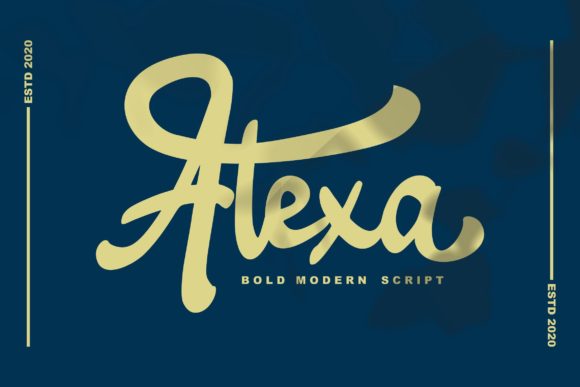
Alexa Script is a handwritten font that captures the elegance of traditional calligraphy while maintaining the clarity and versatility needed for modern design projects. Its unique character shapes and fluid strokes make it an appealing choice for logos, branding, and creative typography. Unlike many other script fonts that may appear overly ornate or difficult to read, Alexa Script strikes a balance between artistic expression and readability, making it suitable for both print and digital formats.
What Makes Alexa Script Distinct?
Alexa Script stands out due to its natural, organic feel. Each letter is crafted with subtle variations in weight and curvature, giving the font a hand-drawn authenticity. This characteristic allows designers to create pieces that feel personal and expressive rather than mass-produced. The font includes a wide range of characters, including uppercase and lowercase letters, numbers, and punctuation marks, which makes it adaptable for various applications.
The font’s legibility is another key factor that sets it apart. While many script fonts can be challenging to read at smaller sizes, Alexa Script maintains clear differentiation between letters, ensuring that text remains readable even when used in body copy or on websites. This makes it a practical option for not just decorative elements but also for more functional uses like headlines or subheadings.
Comparing Alexa Script with Similar Fonts
When considering alternatives to Alexa Script, it's important to evaluate how different script fonts perform in terms of style, usability, and adaptability. For instance, fonts like Brush Script MT or Great Vibes are popular choices for similar purposes. However, these fonts often feature more exaggerated strokes and flourishes, which may not suit all design contexts.
Brush Script MT is known for its bold, dynamic appearance, which can be ideal for high-impact logos or posters. However, this same boldness might make it less appropriate for longer passages of text where readability is essential. In contrast, Alexa Script offers a more refined and balanced approach, allowing for greater flexibility in use cases.
Great Vibes, another well-known script font, has a more flowing and elegant style that works well for wedding invitations or luxury branding. While it shares some similarities with Alexa Script in terms of aesthetics, it tends to have a more stylized look that may not be as versatile for everyday design tasks.
Strengths and Tradeoffs of Alexa Script
The primary strength of Alexa Script lies in its ability to blend beauty with functionality. It provides the visual appeal of a handwritten font without sacrificing readability or versatility. This makes it particularly useful for designers who want to add a personal touch to their work without compromising on clarity.
However, there are certain tradeoffs to consider. Like most script fonts, Alexa Script may not be the best choice for large blocks of text or for situations where a highly formal or professional tone is required. In such cases, a sans-serif or serif font would be more appropriate. Additionally, while the font is available in multiple weights and styles, it may not offer the same level of customization as some premium font families.
Best-Fit Situations for Alexa Script
Alexa Script is particularly well-suited for projects that benefit from a warm, personal aesthetic. This includes branding materials such as logos, business cards, and packaging designs. Its soft curves and natural flow also make it a great fit for creative content like quotes, poetry, and social media graphics.
For example, a boutique clothing brand looking to convey a sense of elegance and individuality could use Alexa Script in its logo and marketing materials. Similarly, a lifestyle blog that focuses on mindfulness and self-care might incorporate the font into its header sections to create a calming and inviting atmosphere.
On the other hand, if a project requires a more structured or formal appearance—such as a corporate website or technical documentation—Alexa Script may not be the most suitable choice. In these scenarios, a clean, modern sans-serif font would likely be more effective.
Practical Considerations When Choosing a Font
When deciding whether to use Alexa Script or another font, several factors should be taken into account. These include the purpose of the design, the target audience, and the overall visual identity of the brand or project. It's also important to consider how the font will appear across different platforms and devices, especially if the design will be viewed online.
Another consideration is licensing. While many free fonts are available for personal use, they may require additional licenses for commercial applications. It's crucial to review the font's licensing agreement before using it in a professional setting. Alexa Script, like many other fonts, typically comes with clear usage guidelines that outline what is and isn't permitted.
When to Choose Alexa Script Over Alternatives
Alexa Script is an excellent choice when the goal is to create a visually engaging design that still maintains a level of professionalism. Its unique characteristics make it ideal for projects that aim to stand out while remaining approachable and easy to read. This includes everything from creative agency websites to boutique shop signage.
In comparison, if a designer is working on a project that requires a more rigid or technical appearance, a different type of font—such as a clean sans-serif or a classic serif—would be more appropriate. The decision ultimately depends on the specific needs of the project and the desired outcome.
For instance, a tech startup aiming to project innovation and efficiency might choose a minimalist font over a script font like Alexa Script. Conversely, a local café looking to create a cozy and welcoming environment could benefit greatly from the warm and inviting feel of Alexa Script.
Ultimately, the right font choice depends on the context, the message being conveyed, and the intended audience. By carefully evaluating these factors, designers can select a font that enhances their work without overshadowing the content itself.