Handyman Script: A Versatile Handwritten Font for Design Projects
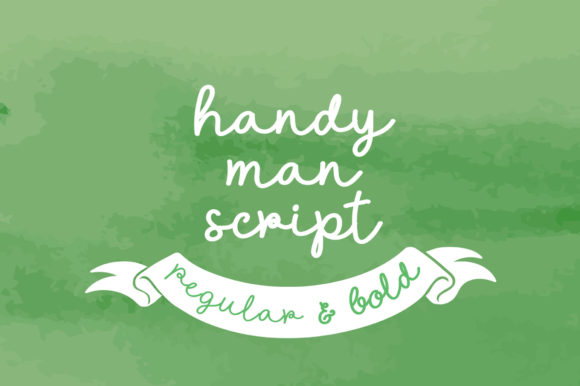
Handyman Script is a sweet and delicate handwritten font that offers a neat and simple style, making it suitable for a wide variety of design applications. Whether you're creating logos, marketing materials, or digital content, this font provides an elegant yet approachable aesthetic that can enhance your visual communication.
What Is Handyman Script?
Handyman Script is a typeface designed to mimic the look of handwriting, but with the consistency and clarity of a professionally crafted font. Unlike more stylized script fonts that may appear too ornate or difficult to read, Handyman Script maintains a balance between personal touch and legibility. Its clean lines and gentle curves give it a soft, friendly appearance that is both inviting and professional.
This font is particularly well-suited for projects that require a warm and approachable feel without sacrificing readability. It's often used in branding, packaging, invitations, and web design where a subtle handcrafted element is desired.
Why Consider Using Handyman Script?
If you're looking for a font that adds personality to your designs while remaining easy to read, Handyman Script could be an excellent choice. Here are some key reasons why designers might choose this font:
- Versatility: Handyman Script works well across various mediums, from print to digital, and can be adapted to different color schemes and backgrounds.
- Legibility: Despite being a script font, it retains good readability, making it suitable for body text as well as headings.
- Approachable Style: The font’s soft and delicate appearance makes it ideal for brands that want to convey warmth, creativity, or a sense of community.
- Consistency: Unlike actual handwritten text, Handyman Script ensures uniformity in appearance, which is crucial for professional design work.
Benefits and Tradeoffs of Handyman Script
One of the main benefits of using Handyman Script is its ability to add a personal and human element to design projects. This can help create a stronger emotional connection with the audience, especially in branding and marketing contexts. Additionally, its simplicity allows it to blend well with other fonts and design elements, offering flexibility in layout and composition.
However, there are also tradeoffs to consider. As a script font, Handyman Script may not be the best choice for long blocks of text due to its flowing nature, which can make reading more challenging. Furthermore, it may not be appropriate for all types of projects—such as those requiring a formal or technical tone—where a more structured font would be more effective.
Situations Where Handyman Script Excels
Handyman Script is a strong fit for several types of design projects. Here are a few scenarios where it shines:
- Branding and Logos: The font's friendly and distinctive look makes it a great option for small businesses, creative studios, or boutique brands aiming to stand out.
- Invitations and Stationery: From wedding invitations to thank-you cards, Handyman Script adds a personal and elegant touch to printed materials.
- Web Design: When used for headlines or call-to-action buttons, it can draw attention while maintaining a sense of approachability.
- Packaging and Labels: The font's delicate style complements products that emphasize craftsmanship, such as handmade goods, artisanal food items, or eco-friendly products.
When to Consider Alternatives
While Handyman Script is a versatile font, it may not be the best choice for every situation. For instance, if your project requires a highly formal or technical tone, a sans-serif or serif font might be more appropriate. Similarly, for large amounts of body text, a more structured font with better spacing and kerning would be preferable.
Additionally, if you're working on a design that needs to be accessible to a broad audience—including those with visual impairments—a font with higher contrast and clearer letterforms may be necessary. In these cases, alternatives like Arial, Helvetica, or Georgia could be more suitable.
Practical Insights for Choosing Handyman Script
When deciding whether Handyman Script is right for your project, consider the following factors:
- Project Purpose: Ask yourself what message you want to convey. If it's about creativity, warmth, or a personal touch, Handyman Script may be an excellent fit.
- Target Audience: Think about who will be viewing your design. If your audience prefers a more modern or minimalist look, you may need to pair Handyman Script with other fonts to maintain balance.
- Readability Needs: Evaluate how much text will be using the font. For short phrases or headings, it works well, but for longer passages, consider using a complementary font for body text.
- Design Context: Consider the overall design scheme. Handyman Script should complement other visual elements rather than compete with them.
By carefully evaluating these aspects, you can determine whether Handyman Script aligns with your design goals and effectively communicates your intended message.