Charlote Script: A Delicate Touch for Your Creative Projects
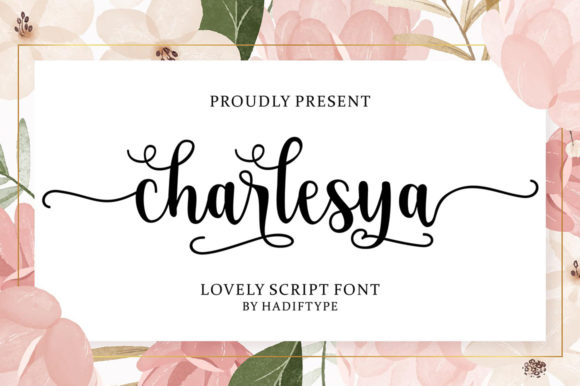
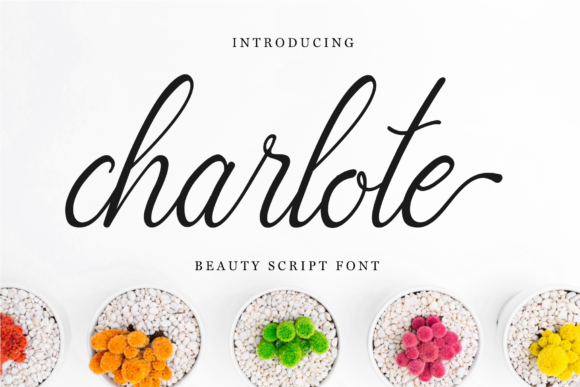
When it comes to typography, the right font can transform a simple message into something elegant and memorable. Charlote Script is one such font that stands out with its delicate script style and relaxed theme. Whether you're designing a logo, crafting a wedding invitation, or creating marketing materials, this font offers a unique charm that can elevate your design work. But like any tool, using Charlote Script effectively requires understanding its nuances and avoiding common pitfalls.
Charlote Script is a PUA encoded font, which means users have easy access to all of its glyphs and swashes. This makes it highly versatile for creative applications where stylistic variations are essential. However, many designers overlook key details when choosing and applying this font, leading to suboptimal results. Here's what you need to know to make the most of Charlote Script.
Why Choose Charlote Script?
The appeal of Charlote Script lies in its ability to convey elegance without being overly ornate. Its relaxed theme gives it a friendly and approachable feel, making it suitable for a wide range of projects—from personal blogs to professional branding. The font's loveliness is evident in its fluid curves and subtle flourishes, which add a touch of sophistication to any text.
For creators looking to stand out, Charlote Script can be a game-changer. It's particularly effective in designs that require a hand-written or handwritten appearance, such as greeting cards, quotes, or social media graphics. Its versatility also makes it ideal for both digital and print formats, ensuring consistency across platforms.
Common Mistakes When Using Charlote Script
While Charlote Script is an excellent choice for many projects, there are some common mistakes that can affect the overall quality and readability of your design.
- Overusing Swashes: One of the most frequent errors is overusing swashes and decorative elements. While these features can enhance the visual appeal, excessive use can make the text difficult to read, especially in longer passages. A good rule of thumb is to limit swash usage to headlines or short phrases rather than body text.
- Ignoring Readability: Many designers focus on aesthetics and forget about readability. Charlote Script, while beautiful, may not be the best choice for long blocks of text. It works best for titles, captions, and short messages where legibility isn't the primary concern.
- Misusing Font Pairings: Combining Charlote Script with other fonts can be tricky. Choosing incompatible typefaces can create a jarring visual effect. To maintain balance, pair it with a clean sans-serif font for contrast and clarity.
- Not Checking Licensing: Before downloading or purchasing Charlote Script, it's crucial to review the licensing agreement. Some fonts come with restrictions on commercial use, so always ensure you're allowed to use it for your intended purpose.
How to Avoid These Mistakes
To get the best results from Charlote Script, consider the following practical tips:
- Use Sparingly: Reserve Charlote Script for headings, logos, or short text elements. This ensures that the font's beauty doesn't compromise readability.
- Test Pairings: Experiment with different font combinations to find the perfect match. Tools like Adobe Fonts or Google Fonts can help you visualize how Charlote Script looks with other typefaces.
- Review Licensing Terms: Always check the license agreement before using the font commercially. If you're unsure, contact the font provider for clarification.
- Limit Swash Usage: Use swashes and special characters only where they enhance the design. Avoid using them excessively, as this can lead to cluttered and confusing layouts.
Realistic Examples and Better Approaches
Let's say you're designing a promotional poster for a boutique event. Instead of using Charlote Script for the entire text, apply it to the headline and a few key phrases. Pair it with a modern sans-serif font for the body text to maintain balance and readability.
Another example: if you're creating a wedding invitation, use Charlote Script for the names and date, but keep the rest of the content in a clear, readable font. This approach maintains the romantic and elegant feel of the event while ensuring that guests can easily read all the important details.
What to Check Before Using Charlote Script
Before incorporating Charlote Script into your project, take the time to evaluate the following factors:
- Project Requirements: Determine whether the font aligns with your project's goals and audience. Is it appropriate for a formal document, or would it be better suited for a casual blog post?
- Design Context: Consider the overall look and feel of your design. Does Charlote Script complement the other visual elements, or does it clash with them?
- Font Quality: Ensure that you're using a high-quality version of Charlote Script. Poorly rendered fonts can affect the professionalism of your work.
- Technical Compatibility: Verify that the font works well across different devices and platforms. Some fonts may display differently on screens versus printed materials.
Charlote Script is a valuable addition to any designer's toolkit, offering a blend of elegance and versatility. By understanding its strengths and limitations, you can avoid common mistakes and use it effectively in your creative projects. Remember, the goal is to enhance your design—not to overshadow it. With thoughtful application, Charlote Script can bring a unique and delightful touch to your work.